Giant Gippsland Earthworm












Website by VP-IT
All photographs © Dr. Beverley Van Praagh, Invert-Eco unless otherwise stated. No image may be saved, copied, reproduced or distributed without prior permission from the copyright owner.
Email: info@giantearthworm.org.au
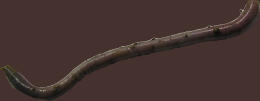

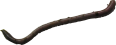
The Giant Gippsland Earthworm (GGE) is one of the world’s largest earthworms and is listed as a
threatened species. It is found only in the clay soils of South and West Gippsland, within a 440 km²
area bounded approximately by the Bass River Valley, Korumburra, and Warragul. Almost the
entire known population occurs on private farmland, making landholder participation essential to
its conservation.
In the late 1970s, Museum Victoria conducted a landmark survey of GGE distribution using
landholder questionnaires. To this day, it remains the most comprehensive historical dataset on
the species. Revisiting and expanding this census by collecting new records from landowners will
provide critical insight into population trends and establish a baseline for monitoring changes into
the future, as the species faces increasing pressure from climate change and urban expansion.
In 2025, the first region-wide census of GGE populations in over 45 years was launched. This two-
year project is being delivered by the Gippsland Threatened Species Action Group, in
collaboration with Bass Coast, South Gippsland and Latrobe Landcare Networks, Invert-Eco,
and Oates Environmental Consulting, with funding from the Australian Government's Saving
Native Species Program.
The project includes:
•
Collation of historical data from the 1980 Museum Victoria survey
•
A landholder questionnaire to assess current earthworm presence
•
The launch of a purpose-built GGE App for recording GPS sightings and habitat photos
•
Ground truthing of reported sites to verify habitat quality and species presence
•
Community engagement through Landcare, media campaigns, and targeted outreach
This is the first comprehensive survey of the species in more than four decades, and the first to
use dedicated GPS mapping tools, allowing for accurate identification of colony locations. The
findings will help identify key habitats, track changes over time, and guide future conservation
strategies.
In June 2025, landholders across the known range of the GGE will receive a mailed invitation to participate. They will be encouraged to complete the online
questionnaire and download the free GGE Census App to record accurate habitat locations. Participation is entirely voluntary, and all data collected will be
treated as confidential.
For information on how to get involved, please visit our Get Involved page.
Project Profile: Census of the Giant Gippsland Earthworm (GGE)
Click to enlarge
Click to enlarge
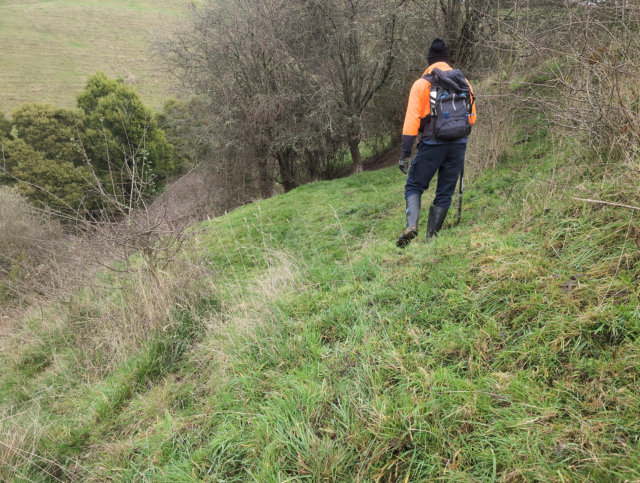
Searching for GGE Habitat
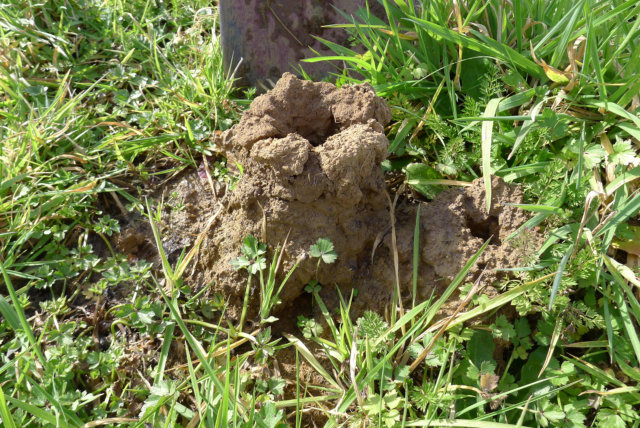
Burrowing Crayfish Chimneys and Buttercups
- indicators of typical GGE habitat





The ‘Census of the Giant Gippsland Earthworm in South
and West Gippsland’ is funded by the Australian
Government under the Saving Native Species Program.
Giant Gippsland Earthworm
All photographs © Dr. Beverley Van Praagh, Invert-Eco unless otherwise stated.
No image may be saved, copied, reproduced or distributed without prior
permission from the copyright owner.
Email: info@giantearthworm.org.au
Website by VP-IT

Census Project
• Project Profile • Get Involved • GGE App • Questionnaire • Project Reports o Summary o Community Snapshot Of Findings
The Giant Gippsland Earthworm (GGE) is one of the world’s
largest earthworms and is listed as a threatened species. It is
found only in the clay soils of South and West Gippsland,
within a 440 km² area bounded approximately by the Bass
River Valley, Korumburra, and Warragul. Almost the entire
known population occurs on private farmland, making
landholder participation essential to its conservation.
In the late 1970s, Museum Victoria conducted a landmark
survey of GGE distribution using landholder questionnaires.
To this day, it remains the most comprehensive historical
dataset on the species. Revisiting and expanding this census
by collecting new records from landowners will provide
critical insight into population trends and establish a
baseline for monitoring changes into the future, as the
species faces increasing pressure from climate change and
urban expansion.
In 2025, the first region-wide census of GGE populations in
over 45 years was launched. This two-year project is being
delivered by the Gippsland Threatened Species Action
Group, in collaboration with Bass Coast, South Gippsland
and Latrobe Landcare Networks, Invert-Eco, and Oates
Environmental Consulting, with funding from the Australian
Government's Saving Native Species Program.
The project includes:
•
Collation of historical data from the 1980 Museum
Victoria survey
•
A landholder questionnaire to assess current earthworm
presence
•
The launch of a purpose-built GGE App for recording GPS
sightings and habitat photos
•
Ground truthing of reported sites to verify habitat quality
and species presence
•
Community engagement through Landcare, media
campaigns, and targeted outreach
This is the first comprehensive survey of the species in more
than four decades, and the first to use dedicated GPS
mapping tools, allowing for accurate identification of colony
locations. The findings will help identify key habitats, track
changes over time, and guide future conservation strategies.
In June 2025, landholders across the known range of the
GGE will receive a mailed invitation to participate. They will
be encouraged to complete the online questionnaire and
download the free GGE Census App to record accurate
habitat locations. Participation is entirely voluntary, and all
data collected will be treated as confidential.
For information on how to get involved, please visit our
Get Involved page.
Project Profile: Census of the Giant
Gippsland Earthworm (GGE)
Searching for GGE Habitat
Burrowing Crayfish Chimneys and Buttercups
- indicators of typical GGE habitat
Click to enlarge
Click to enlarge

The ‘Census of the Giant Gippsland Earthworm in South
and West Gippsland’ is funded by the Australian
Government under the Saving Native Species Program.
